contact@gdacameroon.org
Rue 2.038, Tsinga, Yaounde 2 – Cameroon. No. 159, Harmattan Building


Phone:
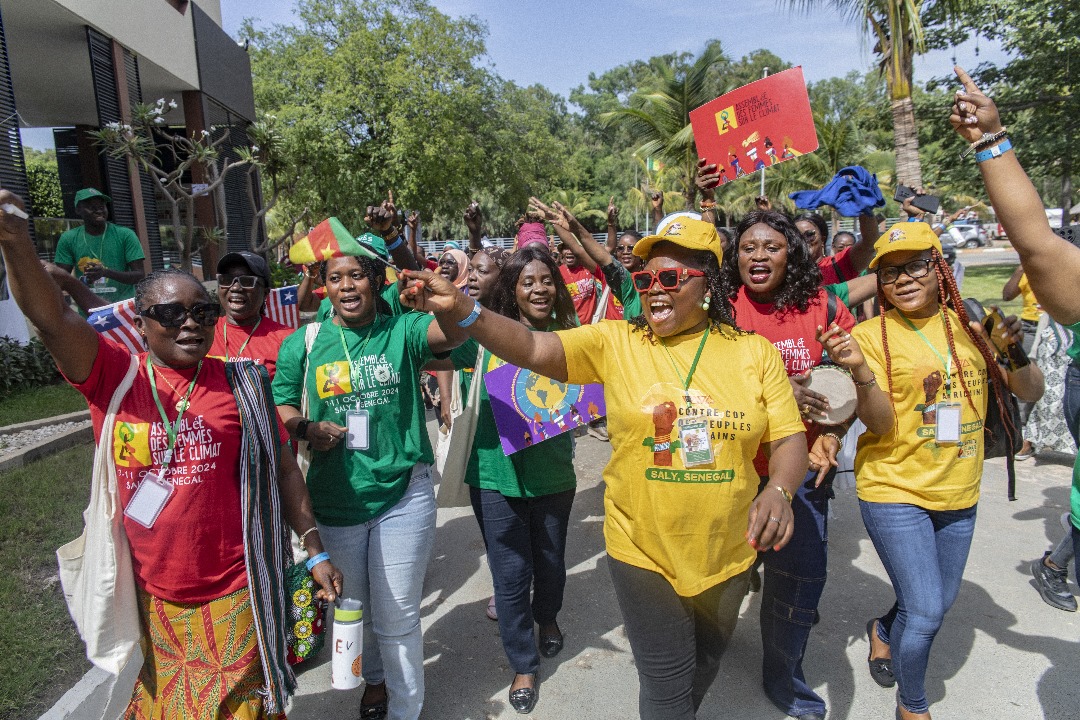
African Women Rise For Climate Justice, Reparations And Gender Inclusiveness
On Wednesday, April 15, 2026, hundreds of women environmental defenders, community organisations, and their allies will mobilise across the continent and beyond to mark the inaugural African Women’s Climate Justice Day, under the theme: “Our Lands, Our Voices: African Women United for Reparations and Climate Justice!”
This landmark Day of Action emerges at a critical moment. As the world faces escalating climate catastrophes, wars and resource-driven conflicts, deepening inequality, and widespread ecological destruction, African women – who are among the most impacted – are also leading some of the most radical solutions. Their voices, leadership, and resistance are more vital than ever in the global fight for climate justice and reparations.
“This day is very important because it builds on our efforts to promote climate justice for rural women. It is an opportunity for us to make our voices heard and to highlight that climate justice is a pressing issue and that climate injustice continues to claim victims, particularly African women. It is also a chance to ensure that reparations are made for the damage caused.” says Odette Toe of Burkina Faso
Amplifying Voices on the Frontline
In Cameroon the problem does not only lie in the external forces that tend to undermine the interests of the grassroot populations but also in the national policies carved out in misogynist undertones tending to always relegate women to the sidelines.
The main aim of African Women’s Climate Justice Day is to amplify the voices, struggles, and resistance of African women on the frontlines of the climate crisis, and fervently call on national government to make it an obligation to always integrate women in policy making initiatives and especially in climate resilience approaches as they are not only the most affected in the climatic changes but also by their daily activities understand better the methods to adopt in the fight against climate change.
A Day for reclamation
The call for climate justice does not only echo across the continent to multinationals engaged in corporate extractivism at the detriment of African local communities but also the national policy makers to exercise justice in the rights of women to be part of the National Climate Change Adaptation Plan in Cameroon.
The Women in Cameroon would be mobilising to say NO! to the exclusion of Women in Climate policymaking, and to say, YES! to the increased voices of Women in climate justice appeals.
The workshop planned to hold at the Green Development Advocates headquarters in the Tsinga neighbourhood in Yaounde, would mark the African Women Climate Justice Day bringing together local community women, civil society organizations, environmental experts and media men whose objective would be:
- amplify the voices of resistance put up by women who are the main targets of the devastating effects of climate catastrophes caused largely by imported extractive models.
- examine the various key aspects highlighted in the National Climate Change Adaptation Plan and determine the level at which women and indigenous populations have been taken into consideration in the Plan
- engage in a dialogue with women with regard to their experiences in matters of climate change and see how their proposals could be included in the strategic plan
- Present the recently published Photobook ( https://www.gdacameroon.org/media/attachments/2026/03/24/womin_photobook-digital-spread-2.pdf) by Womin and GDA which highlights the traditional methods applied by Baka women in the preservation of their forests.
- reinforce and amplify the voices of women movements at the national and international level in favour of Climate Justice.
Marked by solidarity and community mobilisation, the day is a decisive turning point: Cameroon women are turning climate inaction into a demand for climate activism. By uniting their voices, they are demanding restorative justice that goes beyond mere humanitarian considerations; they are calling for the right of the women to be part of the climate policies elaboration process. All these demands are legitimate and establish a link between environmental preservation and economic and social justice.

Ne summo dictas pertinacia nam. Illum cetero vocent ei vim, case regione signiferumque vim te. Ex mea quem munere lobortis. Duis aute irure dolor in reprehenderit in voluptate velit esse cillum.
